


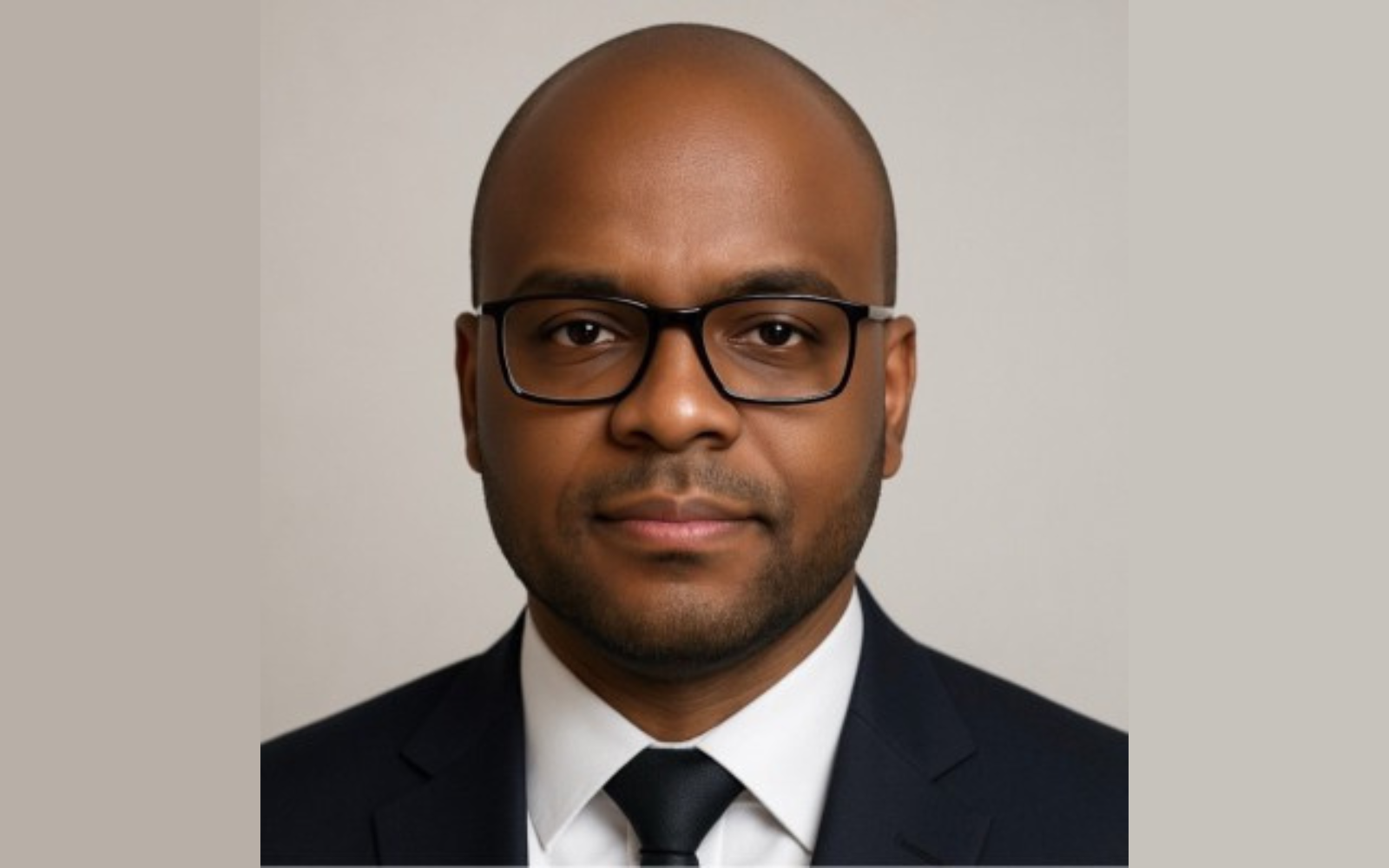
How Professor Muktar Gadanya became one of Africa’s most influential voices in public health without leaving his home state.
At 29 years old, most doctors are still finding their feet. Professor Muktar Gadanya was receiving one of Nigeria’s highest honors. The President awarded him the MFR. That stands for Member of the Order of the Federal Republic. It is given for exceptional service to the country and public health.
Today, Gadanya is not just a professor at Bayero University in Kano. He is not just a public health physician at Aminu Kano Teaching Hospital. He is a bridge builder. A health sector corruption researcher and fighter. A scientist who speaks the language of communities that once rejected vaccines with fierce resistance.
His work has been cited over 24,000 times (as at February, 2026) by other researchers. He has published more than 120 research papers. His influence reaches from village squares in Northern Nigeria, policy advisory groups at Nigeria’s National levels, to the offices of the World Health Organization in Geneva.
The Polio Wars
Northern Nigeria was once ground zero for one of global health’s biggest failures. In 2003, religious and community leaders in Kano State launched a boycott of the polio vaccine. They believed it was contaminated. They thought it was a Western plot to sterilize Muslim children.
The boycott spread like wildfire. Polio came roaring back. Not just in Nigeria. The disease jumped borders into countries that had been polio-free for years.
Enter a small team of Muslim scientists that included Muktar. They did not lecture. They did not preach. They listened. They sat with imams. They spoke with traditional rulers. They brought together Islamic scholars, doctors, and even polio survivors.
“I have had a fair share of successes, but I have failed multiple times, too,” Muktar once wrote on LinkedIn. That humility is part of his power.
One of his major achievements was helping co-design and implement the approach that turned Muslim clerics from vaccine opponents into vaccine champions. The team trained imams from high-risk areas. They addressed religious concerns head-on. They showed respect for local beliefs while presenting scientific evidence.
The results? Vaccine acceptance began to climb. Cases of polio began to fall. The tide turned.
Building Systems That Work
Muktar’s education reads like a trophy case. He graduated from Bayero University as the overall best student. Best in clinical medicine. Best in laboratory medicine. Best in community medicine. All three.
He went to the London School of Hygiene and Tropical Medicine for his master’s degree in reproductive and sexual health research. Later, he became a Fellow of the National Postgraduate Medical College of Nigeria. There, he won the Prof. Adetokunbo Lucas Prize for overall best graduate. He also won the Dr JD Soloye Prize for best public health dissertation.
But Muktar never stopped thinking about the systems that fail people. He became obsessed with a question. Why do fake medicines flood African markets? Why do health systems meant to protect people sometimes harm them instead?
His work led to a groundbreaking report published by the Chr. Michelsen Institute in Norway. The report examined corruption in medical supply chains during COVID-19. It was titled “Weak Links: How Corruption Affects the Quality and Integrity of Medical Products.”
The report did not pull punches. It showed how bribery allows fake drugs into hospitals. It revealed how regulators sometimes look the other way. It exposed how desperation during COVID-19 made the problem worse.
“His work focuses on accountability in the health sector including quality of medical products,” the report noted about Muktar. This is not abstract academic work. This is about children dying from fake malaria drugs. This is about cancer patients receiving saline instead of chemotherapy.
The COVID-19 Test
When COVID-19 hit Nigeria, Muktar was ready. He served on the Nigeria National Immunization Technical Advisory Group. Specifically, he was on the sub-committee dealing with emerging diseases and COVID-19. This group reported directly to the Minister of Health.
Northern Nigeria faced unique challenges during the pandemic. Vaccine hesitancy was high. Misinformation spread fast. The same communities that once rejected polio vaccines were now skeptical of COVID-19 vaccines.
But Muktar and his colleagues had learned from polio. They knew how to build trust. They knew that top-down mandates fail. They knew that real change comes from within communities.
His research during COVID-19 examined excess deaths in Kano. It looked at how the pandemic exposed weaknesses in medical supply chains. It studied how corruption made fake COVID-19 products flood the market.
What Makes Him Different
Muktar is not sitting in an ivory tower. He has consulted for the World Health Organization. For UNICEF. For the Gates Foundation. For USAID. For dozens of other organizations.
But he always comes back to Kano. He teaches. He mentors. He conducts research. He treats patients.
His research spans everything from hospital infections to breast cancer screening among nurses. From HIV care to antimicrobial resistance. From food safety to vaccine hesitancy. From medical student career choices to mental health in pregnancy.
He wasPrincipal Investigator for five nationwide research projects in Nigeria. He led the development of Nigeria’s National Family Planning Blueprint as a consultant. He co-led the Nigeria’s National Immunization Coverage and Equity Assessment.
These are not small projects. These are nation-building efforts.
The International Stage
In 2010, Muktar won second prize in the Higher Education Academy Essay Competition in the United Kingdom. In 2017, he won second prize in the International Carnegie Council of New York Essay Competition on Globalization. In 2023 he won the UK Alumni Award for Science and Sustainability, by the British Council, Nigeria.
He is a member of iCHORDS. That stands for International Collaborative Health Research and Development in Sub-Saharan Africa. Through this network, he collaborates with researchers across the globe.
His work has appeared in major medical journals. The British Medical Journal published his research on using social media to build vaccine confidence in Africa. PLOS Medicine featured his work on engaging Muslim clerics in polio eradication.
But perhaps his most important work happens in small rooms. In conversations with community leaders. In training sessions with health workers. In meetings with skeptical parents.
Fighting Corruption, Saving Lives
Muktar’s multi-nationals corruption works reveal uncomfortable truths. Regulators sometimes accept bribes to certify sub-standard medicines. Procurement officials collude with suppliers of substandard products. Healthcare workers in low-paid positions sometimes dispense substandard drugs for profit.
During COVID-19, these problems exploded. Fake face masks flooded markets. Counterfeit hand sanitizers appeared everywhere. Fraudulent COVID-19 testing kits were sold to desperate families. Later, fake vaccines emerged.
“Having an illness or disease is a distressing experience,” Muktar and his co-author wrote. “It brings with it uncertainty and in some contexts the threat of catastrophic financial loss.”
That desperation creates opportunity for criminals. And for corrupt actors within the system itself.
Muktar’s research does not just identify problems. It proposes solutions. Stronger regulatory frameworks. Better international cooperation. Technology like blockchain for tracking medicines. Whistleblower protections for healthcare workers who report corruption.
The Quiet Revolutionary
There are no dramatic stories of Muktar battling armed militants. No tales of narrow escapes from danger. His revolution is quieter. More persistent. More systematic.
He shows up. He does the work. He publishes the papers. He trains the students. He sits in the meetings. He builds the coalitions.
He understands that changing minds takes time. That building trust requires consistency. That real progress comes from working within systems, not just criticizing from outside.
He also understands failure. He talks about it openly. That 2023 LinkedIn post about his failures showed something important. The best scientists are not the ones who never fail. They are the ones who fail, learn, and keep going.
Why His Work Matters Now
The world is facing a crisis of trust in public health. Vaccine hesitancy is rising globally. Not just in Northern Nigeria. In America. In Europe. In Australia. Everywhere.
Misinformation spreads faster than truth. Conspiracy theories find fertile ground in communities that feel left behind. Top-down health campaigns increasingly fail.
Muktar’s approach offers a different way forward. Listen to communities. Understand their concerns. Address those concerns with respect and evidence. Build coalitions. Train local leaders. Create trust from the ground up.
His anti-corruption work matters too. Every fake medicine that enters a supply chain is a betrayal. Every bribed regulator undermines faith in the system. Every corner cut in procurement puts lives at risk.
In an era when global health faces unprecedented challenges, Professor Muktar Gadanya represents something essential. He shows that scientific excellence and community engagement can coexist. That you can be rigorous and respectful. That you can fight corruption without being cynical about humanity.
From a young doctor in Kano, to a national honor recipient at 29. From local researcher, to international consultant cited thousands of times. From someone who has failed to someone who keeps trying.
This is not the story of a savior swooping in to rescue communities. This is the story of a son of Northern Nigeria who never left home but whose influence now spans the globe. A professor who could work anywhere, but chooses to stay. A researcher whose questions make people uncomfortable because they need to be asked.
The next pandemic is coming. We do not know when. We do not know from where. But we know this much. We will need more people like Professor Muktar Gadanya. People who can bridge the gap between science and community. Between global expertise and local knowledge. Between what is true and what people are willing to believe.
People who understand that saving lives is not just about vaccines and medicines. It is about trust. And trust, unlike a vaccine, cannot be injected. It must be earned. One conversation at a time. One community at a time. One generation at a time.
Professor Muktar Gadanya knows this. And he is putting in the work.
My Bio
Prof. Muktar Gadanya is a distinguished public health physician, health systems expert, and academic leader with extensive experience in primary health care, health policy, and systems strengthening across Africa. He has contributed significantly to advancing universal health coverage, workforce development, and evidence-informed policymaking. With a strong background in research, training, and institutional leadership, Prof. Gadanya bridges academia, implementation, and governance. His work focuses on translating knowledge into action, strengthening health systems resilience, and mentoring the next generation of public health leaders committed to equity, sustainability, and locally driven solutions.